Hidden Breakpoints in Large-Scale Interpretation
Big rooms do not forgive weak links. An interpretation system sits at the heart of this scene, and every hiccup shows. Picture a summit with eight languages, a packed hall, and hot microphones. The data is clear: a 250 ms latency budget is the line between flow and friction. Miss it, and turn-taking collapses. With a modern platform like the taiden simultaneous translation system, you can tame these edges, but only if you know where they hide. Think signal-to-noise ratio, not just “volume.” Think RF interference and line-of-sight, not just “coverage.” Look, it’s simpler than you think—once you see the pattern. So here’s the question: where do traditional setups leak stability, and what do you do about it? Let’s move from guesswork to ground truth.
Why do old setups stumble?
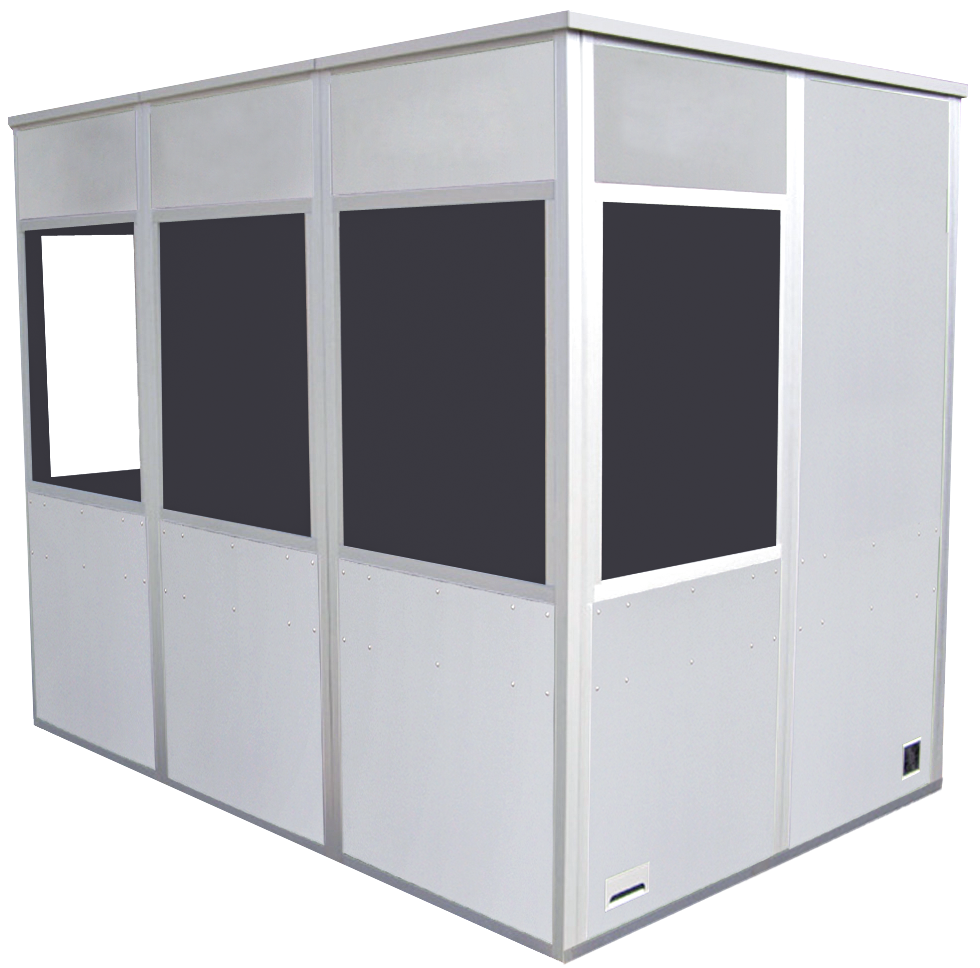
Legacy rigs often stack problems. Analog chains drift. Daisy-chained power converters add noise at scale. Single-point switch rooms invite failure. Interpreters cannot monitor return audio with confidence, so handoffs get messy. Infrared distribution gets blocked by banners or moving cameras—funny how that works, right? Then there’s the codec choice: compressed too hard, and sibilants smear; too light, and packet loss kills intelligibility. Old routing makes channel mapping manual and brittle. No redundant topology. No health telemetry at the edge. When booths, audience, and stage feed push peak load, the whole thing wobbles. The result is not just delay. It’s fatigue for listeners, and stress for interpreters. The fix begins with visibility and failover, not with bigger amps. We’re about to compare what that looks like in practice—and why it matters next.
From Bottlenecks to Breakthroughs: A Comparative Look Ahead
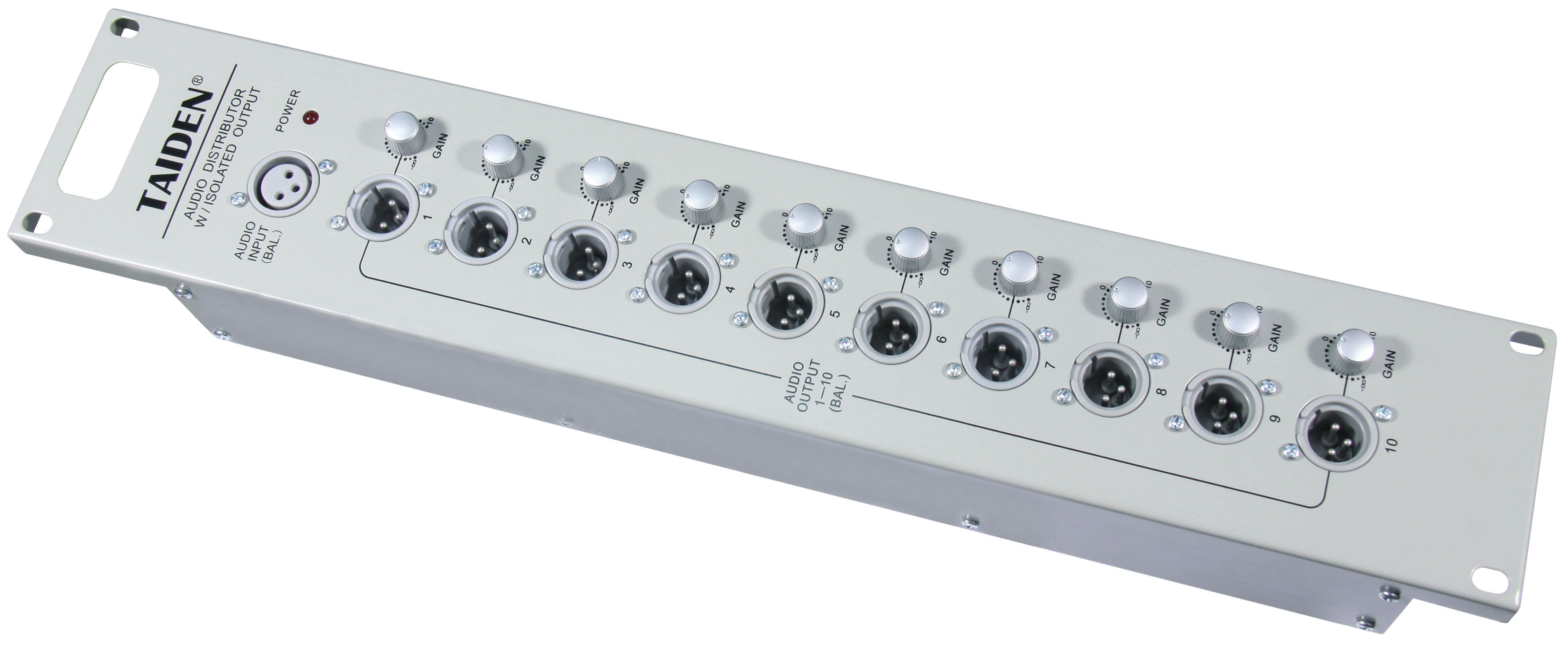
New principles change the game. Digital infrared with forward error correction maintains clarity even with movement in the hall. A mesh backbone with redundant links cuts single points of failure. Edge computing nodes near booths handle pre-mix and health checks, so the core switch stays calm under load. QoS keeps floor and relay channels ahead of noncritical traffic. Automatic gain control helps interpreters keep tone steady without riding faders. Add beamforming mics, and you trim bleed at the source—less cleanup downstream. When you set this side by side with legacy chains, the difference is visible in logs and audible in headsets. And when the same platform also serves as multilingual conference equipment, you get unified channels, synchronized handoffs, and clean failover. That means fewer surprises when rooms fill, lights warm up, and laptops join the network (the usual parade).
What’s Next
We move from patching to planning. Think coverage maps rendered in real time. Think latency tracked per path, not just per room. Compare systems by how they degrade under stress, not how they sound empty. In short, design for fault, not fantasy—and your audience will never know a relay path broke mid-speech. Here’s a tight way to choose well: measure end-to-end latency at 80% channel load; verify true redundancy, including booth-to-backbone failover; inspect spectral efficiency and SNR across seats, not just at FOH. If those numbers hold, the show holds. That is the quiet win everyone remembers, even if they never see the graph—because the moment just feels seamless. Closing the loop with a brand you can map to metrics helps too: TAIDEN.